
Corporate events
Escape Rooms for Team Building
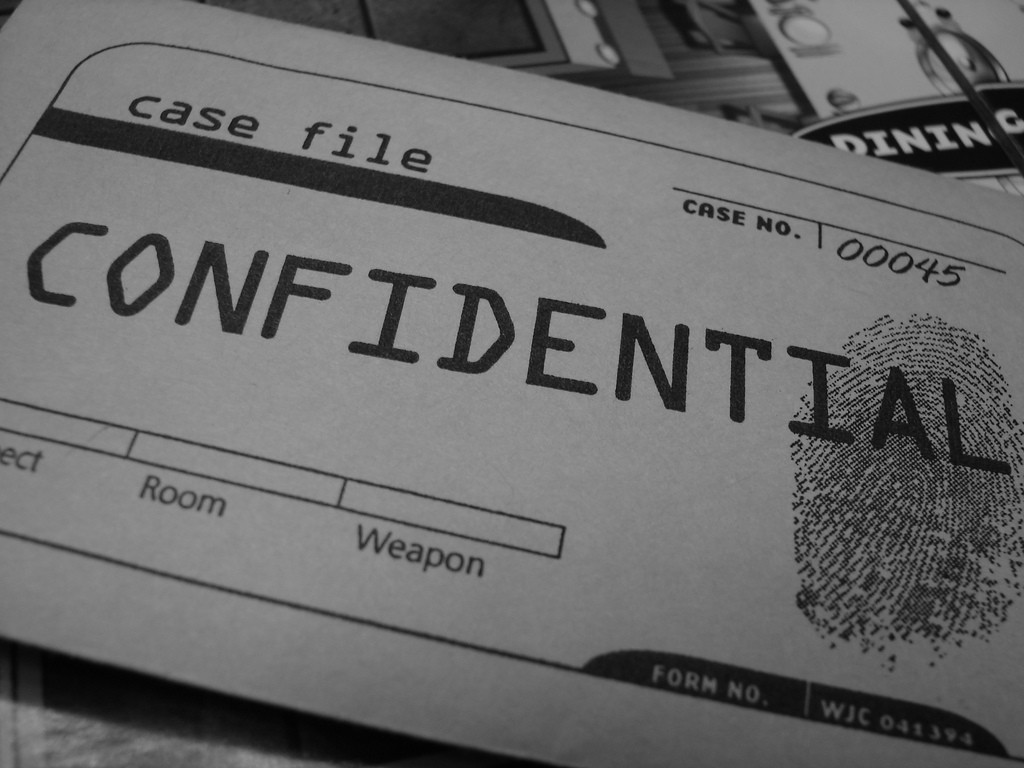
One colleague finds a key. Another spots what the number on it refers to. The team can only move forward once they talk. An escape room gives colleagues concrete examples of how they share information, divide work and ask for help under time pressure.
What can you observe during the game?
- Sharing information. Gather clues in one place so everyone can see what has been found and whether two people are working on the same problem.
- Dividing tasks. One person can try a code while another searches the room. If progress stalls, swap tasks to get a fresh look.
- Asking for help. As time runs down, decide together which puzzle to keep working on and when to ask for a hint.
Plan around your event’s goal
Mix departments if you want colleagues to meet. Keep people who already work together in the same group if you want to discuss how they collaborate day to day. For a large group, parallel sessions can give everyone a chance to participate.
Ask about game language, physical demands and scare intensity ahead of time. Check what roles are available so people can take part in different ways. Someone who prefers to skip an obstacle can still organise the clues and codes their team finds.
Set aside ten minutes afterwards
Ask the team when things started moving faster, what information came too late and which habit they would try at work the next day. Pick a specific moment together. If short verbal updates helped in the room, you could try them on a shared project.
Use the discussion to identify a habit the team wants to try. To plan a game for your company, see Enigma’s corporate team-building events.